Lose weight... what you don't talk about.
26 de novembro de 2021
More important than what you eat is: Because you eat and when you eat. Before food plans and substitutions realize why and solve!
In the resolution you will find your mental, physical and food balance and the consequent sustainable and effective slimming.
Why do you eat what you eat?
So many answers are now going through your mind.
Because I'm hungry.
Because my body needs it.
Because I got used to it.
Because I like to eat and I'm a good fork.
Starting with hunger, the first statement: "Because I'm hungry."
Hunger is a limit state of our organism following food deprivation. Hunger is rarely felt. What you feel is appetite. And the appetite is very distinct from hunger, the appetite is emotional. So we eat for the appetite we feel. And the appetite being emotional comes from what we feel and what we feel is often linked to beliefs that have been programmed for us.
That is, and taking a simple example that we all remember and that we probably apply to our children. “If you eat the whole meal you will have a surprise, a prize, a treat...” which is usually a dessert, little or not healthy. Sweet.
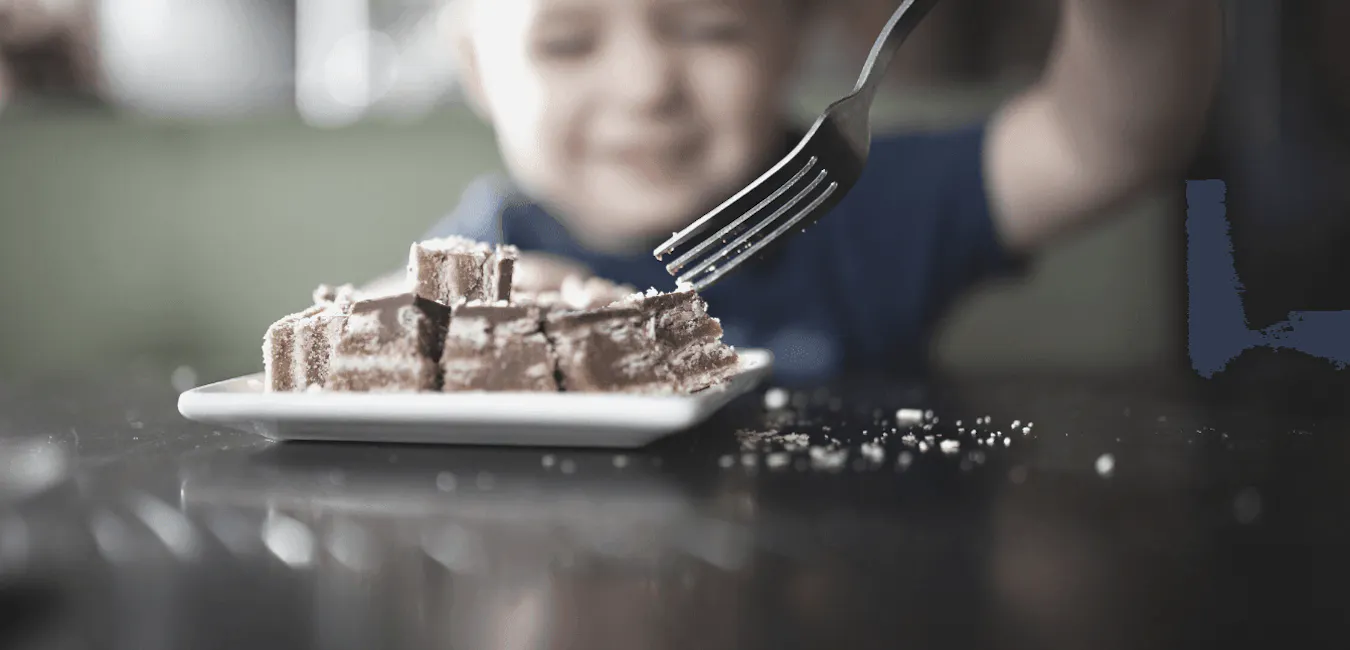
And so we grew up with the belief of award through a candy. We grew up with the belief of pampering through a sweet. We grew up believing that sweets are awards to ourselves, of merit attributed by the people we love most and that in them are the meaning of love, affection, of feeling special...
Moving on to the second statement: "Because my body needs it."
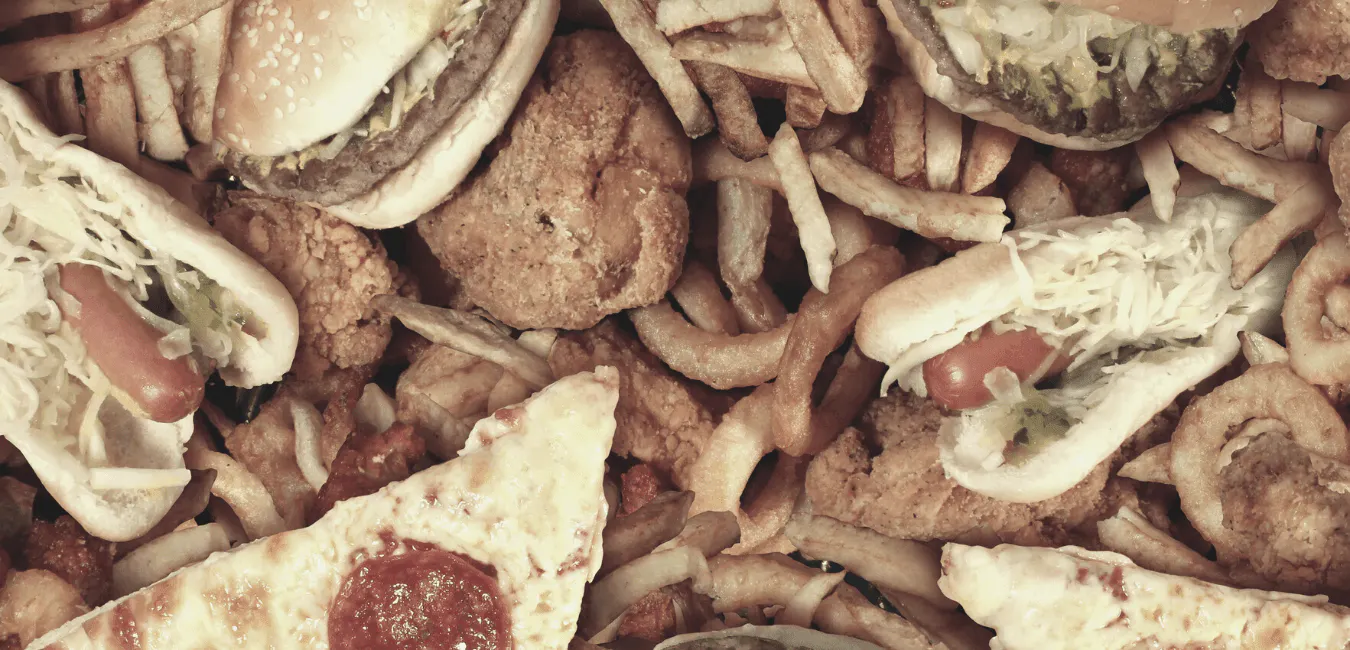
Your body needs nutrition. And if what you eat is nutrition and health, I totally agree with you. If what you eat has little of nutrition and health, both in the type of food and in the quantities, then I ask you to reflect on that need you invoke.
It's your need. It's not nutritional, it's emotional. And if what you eat doesn't feed. So you're not taking care of your body. You're damaging him to mistreat him.
What's that supposed to mean?
In the third statement: "Because I got used to it."
It could be totally true. You've created a habit based on an emotional need. Your conscience has noted that for your survival you need it. This habit has a function for you to fill that need. However, it is a palliative, destructive need. You cheat on your need with what you eat, but it's never fully satisfied and you have times when it seems like nothing satiates you. Yes, you've created this habit that you need to be aware that nothing solves.
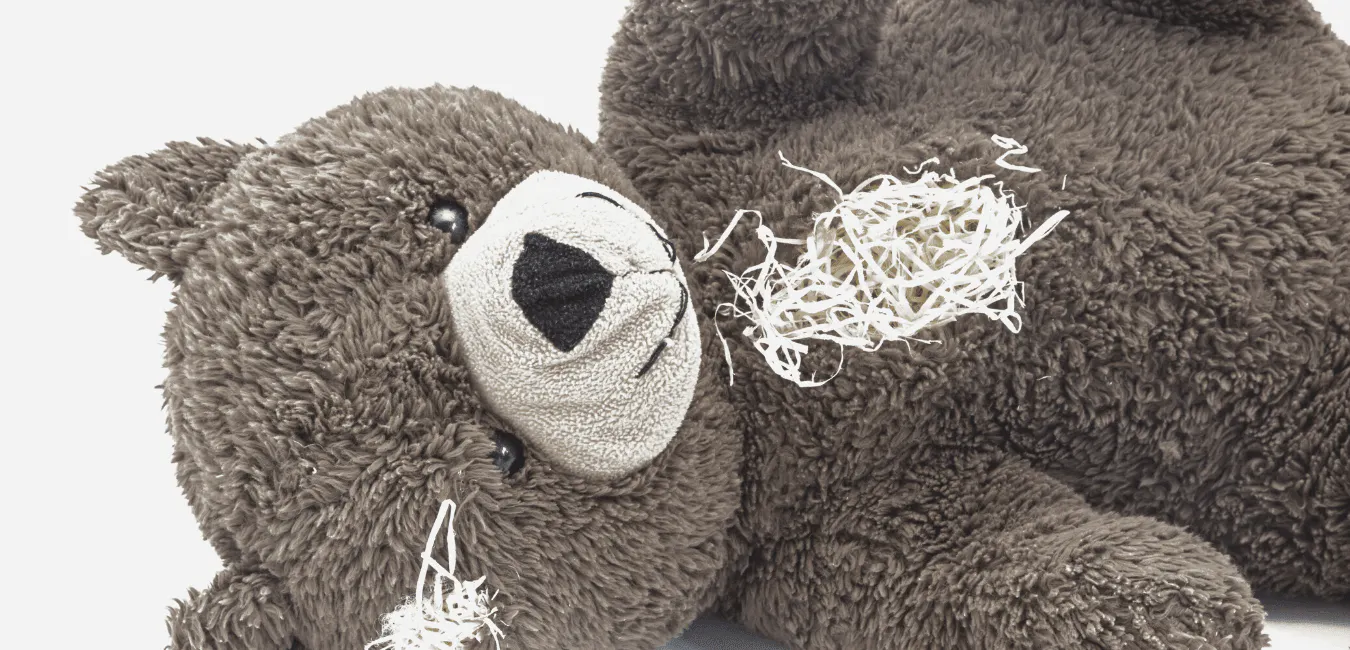
Imagine a torn stuffed animal, it has a hole that you fill with sponge, but as you never sew it the sponge always comes out, every time you shake it. Until the day you shake it harder and the whole sponge comes out and the stuffed thing is empty.
Fourth statement: "Because I like to eat and I'm a good fork."
Our most intimate relationship is with food. Isabel Costa
There is no doubt that eating can be associated with a sense of pleasure, not only by taste (which is also learned) but also by socialization. Being at the table with all senses and in good company fills us with primary needs of pleasure and belonging. But it is not about enjoying these moments, it is about the imbalance and exaggeration in living these moments. As much food as the number of times we provide them. What does this mean about us? Are our primary needs met?
I've heard a lot of times that when someone overdoes a meal it's in food or in drink. “Be happy!” But isn't it the other way around?

How we eat and why we eat says so much about us. The act of eating is much more than feeding the body. Reflect who you are, what you are and what stage of your life you are in. Reflect your emotional needs, your desires, beliefs and convictions...
It's not about feeding, it's about nourishing, and nutrition is physical, but it's mostly emotional.
Hence the importance of healing and development of both in the search for balance and health.
A healthy and sustainable slimming depends on your mental and emotional healing.